



The “Evil Eye”—a symbol of protection against malevolent glares—has transcended its ancient mythological roots to become a dominant aesthetic in modern art, fashion, and digital illustration. Whether you are creating a minimalist sketch for a logo or a detailed, hyper-realistic study, capturing the essence of the evil eye requires a blend of anatomical precision and symbolic weight.
This guide explores the technical and creative aspects of drawing the evil eye, designed specifically to help your website, withplaces.com, reach an audience interested in occult art, symbolic illustration, and artistic technique.
The Symbolism: Why We Draw the Evil Eye
Before putting pen to paper, it is essential to understand the subject. The evil eye (often represented as the Nazar) is historically believed to be a curse cast by a malevolent glare, usually inspired by envy. Consequently, the symbol is used to deflect this energy.
When you create content for your audience, emphasize that the evil eye is not just an anatomy lesson; it is an emotional anchor. Artists draw it to convey mystery, protection, and spiritual depth. Framing your content around these concepts will help you connect with artists looking for more than just technical tutorials—they are looking for meaning.
Anatomical Foundations: How to Draw a Realistic Eye
While the “Evil Eye” symbol is often stylized as a blue circle, mastering the human eye is the secret to elevating your artwork from “graphic” to “fine art.”
1. The Shape of the Iris and Pupil
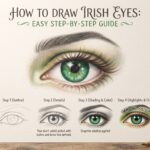
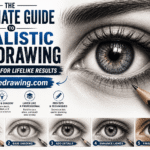
The human eye is not a perfect circle. It is an oval interrupted by the eyelids. When drawing the pupil, remember that it is a hole into the interior of the eye, meaning it should be the darkest point in your drawing. Using a high-contrast black ink or a 6B graphite pencil will ground the drawing and draw the viewer’s focus immediately to the center.
2. Understanding Highlights
A “dead” eye is one without a catchlight. Whether you are drawing a realistic eye or a symbolic Nazar, the reflection of light is what creates life. Place your primary highlight slightly overlapping the pupil and the iris. This creates the illusion of a wet, spherical surface.
3. The Anatomy of the Lid
Most beginners make the mistake of drawing a flat line for the eyelid. Instead, treat the eyelid as a thick, fleshy structure that wraps around the eyeball. Show the thickness of the lash line; this small detail adds immense realism to any drawing.
Techniques for the “Nazar” (Stylized Evil Eye)
For the iconic blue-and-white amulet, simplicity is your greatest strength. Here is how to create a clean, professional aesthetic that performs well on social media:
- Layering with Geometry: Use a compass or circular stencils. The symmetry of the concentric circles—dark blue, light blue, white, and black—is what makes the symbol visually satisfying.
- The Power of Line Weight: Use varying line weights to give the symbol volume. A thicker outer border creates a sense of “enclosure” and protection, while finer inner lines maintain the geometric clarity.
- Texture Overlays: To make your digital drawings pop, use watercolor brushes to give the “painted” ceramic feel of traditional Nazar amulets. This gives your audience a sense of authentic, tactile art.
Reaching Your Audience: An SEO Strategy for Art Creators
To ensure your website, withplaces.com, effectively reaches your target demographic, your content must address the “why” and “how” of your niche. Here are three content pillars to focus on:
1. The Tutorial Pillar (Technical)
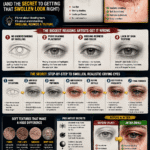
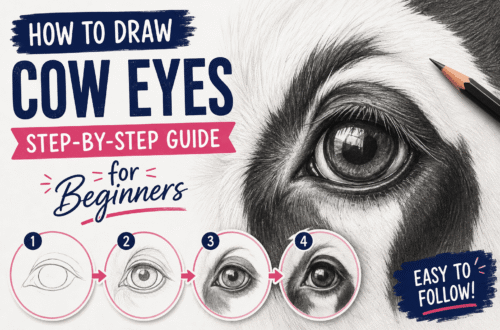
Focus on step-by-step guides. Most people searching for “how to draw an eye” are looking for immediate, actionable results. Use high-resolution, annotated images that show the progression from a rough sketch to the final rendered piece.
2. The Symbolic Pillar (Educational)
Art enthusiasts love context. Write articles that dive into the history of the evil eye in different cultures (Greek, Turkish, Middle Eastern). This provides “linkable” content that other bloggers and art historians might reference, helping you build authority.
3. The Community Pillar (Engagement)
Encourage your readers to share their versions of your drawings. Create a monthly challenge—e.g., “Draw Your Version of the Nazar”—and feature the best submissions on your site. This turns a static website into a thriving community.
Conclusion: Turning Art into Influence
Mastering the art of the evil eye is about more than just technical skill; it’s about understanding the intersection of human anatomy and ancient symbolism. By providing your audience with high-quality, technically sound, and culturally informed content, you position withplaces.com as a hub for both aspiring and professional artists.
Remember: the goal is to provide value that inspires others to pick up a pencil. When you teach someone how to draw, you are providing them with a tool for self-expression. Keep your content consistent, your visuals high-quality, and your focus on the unique intersection of art and myth.




One comment on “How to Draw the Evil Eye: A Step-by-Step Guide for Artists”