


Introduction
Art often imitates life, serving as a mirror for human emotion, physical states, and medical conditions. When an artist sets out to create a yellowish eyes drawing, they are frequently capturing more than just a palette choice—they are depicting a visual signifier of underlying health concerns, dramatic emotional storytelling, or stark stylistic contrast.
In medicine, yellowing of the whites of the eyes is known as scleral icterus, commonly linked to jaundice. In art, it is a powerful tool used to communicate fatigue, illness, age, or a distinct surreal aesthetic. This comprehensive guide explores both the artistic approach to capturing yellowish eyes and the vital medical realities that inspire or parallel such artwork.
The Artistic Perspective: Why Draw Yellowish Eyes?
Artists choose to incorporate yellowish tones into the eyes for various narrative and aesthetic reasons. Understanding these motivations helps in executing a compelling piece.
1. Narrative and Character Health
In character design—whether for comic books, anime, or realistic portraiture—subtle yellowing in the sclera (the white part of the eye) instantly signals to the viewer that a character is unwell, exhausted, or recovering from an illness. It adds a layer of vulnerability and realism.
2. Stylistic Contrast and Mood
Color theory plays a massive role in eye illustration. Yellow sits opposite to purple and blue on the color wheel. Introducing warm, amber, or yellowish hues into or around the eyes can create a striking, moody, or haunting contrast against cool-toned skin or dark hair.
3. Aging and Realism
In hyper-realistic drawing, pure stark white eyes often look unnatural, especially in older subjects. Aging naturally alters the tissues of the eye, introducing subtle ivory, cream, or yellowish tints due to fat deposits, sun exposure (pinguecula or pterygium), or thinning tissues. Incorporating these tones adds authenticity to the portrait.
Step-by-Step Guide: How to Draw Yellowish Eyes
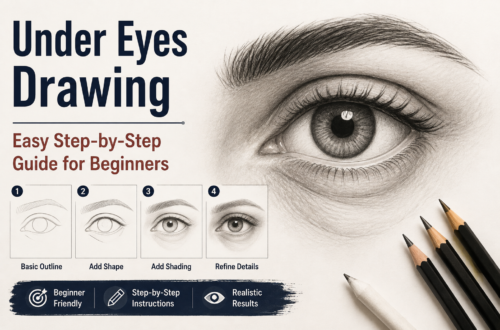
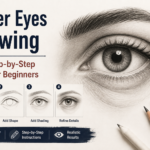
If you are working on a yellowish eyes drawing and want to achieve a balanced, realistic, or stylized look, follow this step-by-step artistic framework.
Step 1: Establish the Anatomy
Before adding color, map out the core structures:
- The Sclera: The spherical white background that will house your yellowish tint.
- The Iris and Pupil: The colored center and black aperture.
- The Eyelids and Tear Duct: Provide depth, shadows, and moist highlights.
Step 2: Lay Down Base Tones
Never use a flat, bright neon yellow for the sclera, as it will look unnatural unless you are going for a fantasy or sci-fi look. Instead, use muted tones:
- Mix cream, ivory, soft beige, and pale ochre.
- Keep the center of the eyeball brighter and introduce the yellowish tints closer to the corners (canthi) and near the edges where shadows fall.
Step 3: Add Shading and Depth
The eyeball is a 3D sphere resting inside a socket.
- Use the upper eyelid to cast a natural shadow over the top portion of the sclera. This shadow should lean into cool grays, light purples, or soft browns rather than stark black.
- Blend your yellow tones outward, ensuring the deepest saturation of yellow sits near the inner corners where blood vessels or minor discoloration naturally occur.
Step 4: Render Blood Vessels (If Applicable)
If your drawing calls for illness or fatigue, add delicate, branching red or pink capillaries over the yellowish sclera. Keep them thin and sparse; heavy red lines combined with yellow create a powerful visual indicator of distress or infection.
Step 5: Highlights and Reflection
The eye is wet. Use a sharp white pencil, gel pen, or digital highlight brush to place crisp reflections over the pupil, iris, and parts of the sclera. This creates the illusion of moisture and brings the drawing to life.
The Medical Reality: What Does Yellowish Eyes Actually Mean?
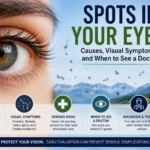
While a yellowish eyes drawing might be a creative exercise, real-life yellowing of the eyes is a significant medical sign that should never be ignored. In clinical settings, yellow eyes point directly to scleral icterus, which is nearly always a manifestation of jaundice.
+-------------------------------------------------------------+
|                The Biological Chain of Jaundice             |
|                                                             |
|  Red Blood Cell Breakdown -> Bilirubin Production           |
|         |                                                   |
|         v                                                   |
|  Processed by Liver -> Excreted via Bile                    |
|         |                                                   |
|         v (If Pathway Blocked)                              |
|  Bilirubin Accumulates in Blood -> Yellow Eyes & Skin        |
+-------------------------------------------------------------+
What is Bilirubin?
Bilirubin is a yellow pigment created during the normal breakdown of old red blood cells. Normally, your liver processes bilirubin and passes it through your digestive tract. However, if there is a disruption in this pathway, bilirubin builds up in the body and binds to tissues rich in elastin, such as the sclera of the eyes, turning them yellow.
Common Causes of Yellow Eyes in Humans
- Liver Conditions: Hepatitis (A, B, or C), alcoholic liver disease, and cirrhosis impair the liver’s ability to process bilirubin.
- Bile Duct Blockages: Gallstones or tumors can block the bile ducts, preventing bilirubin from exiting through the digestive system.
- Blood Disorders: Hemolytic anemia causes red blood cells to break down faster than the liver can keep up with.
- Medication Side Effects: Certain drugs can impact liver function, leading to temporary jaundice.
Artistic Interpretation vs. Medical Diagnosis
It is fascinating how artists capture medical phenomena centuries before fully understanding them. Historically, painters used yellowing eyes to depict plague victims, consumptive characters, or tragic heroes.
| Aspect | In Art (Drawing/Painting) | In Medicine (Scleral Icterus) |
| Primary Goal | Aesthetic mood, character backstory, realism | Diagnostic indicator of systemic health issues |
| Color Palette | Ochre, cream, amber, muted yellows | Pigment accumulation driven by excess bilirubin |
| Action Required | Refinement of technique and shading | Urgent medical evaluation and blood panels |
If an artist notices a real-life yellowish tint creeping into their own or a model’s eyes while attempting a portrait, it serves as an accidental health warning. Medical professionals advise that any sudden yellowing of the eyes warrants an immediate visit to a physician for liver function tests and a comprehensive physical exam.
Frequently Asked Questions (FAQs)
Why do artists use yellow in the whites of the eyes?
Artists use yellow tones to convey age, fatigue, illness, or to break up stark, unrealistic white spaces, adding depth and mood to a portrait.
Is yellow in the eyes always jaundice?
Not always. Sometimes, localized discoloration like a pinguecula or pterygium (non-cancerous growths caused by sun and wind exposure) can cause yellow spots or patches on the white of the eye, rather than full-scale jaundice.
How do I make my eye drawing look realistic instead of sick?
If you are aiming for a healthy eye, use subtle, cool tones (light blues, grays, and soft ivories) for the sclera rather than heavy yellows, and ensure your highlights are sharp and placed correctly.
Conclusion
Whether you are an illustrator working on a poignant yellowish eyes drawing or a curious individual researching health symptoms, understanding the intersection of art and physiology is enlightening. Art allows us to explore human vulnerability, expression, and narrative depth, while medical science reminds us to look closely at our bodies for vital signals of wellness. Balance your creative endeavors with health awareness, and let your artwork accurately reflect both the beauty and complexity of the human form.